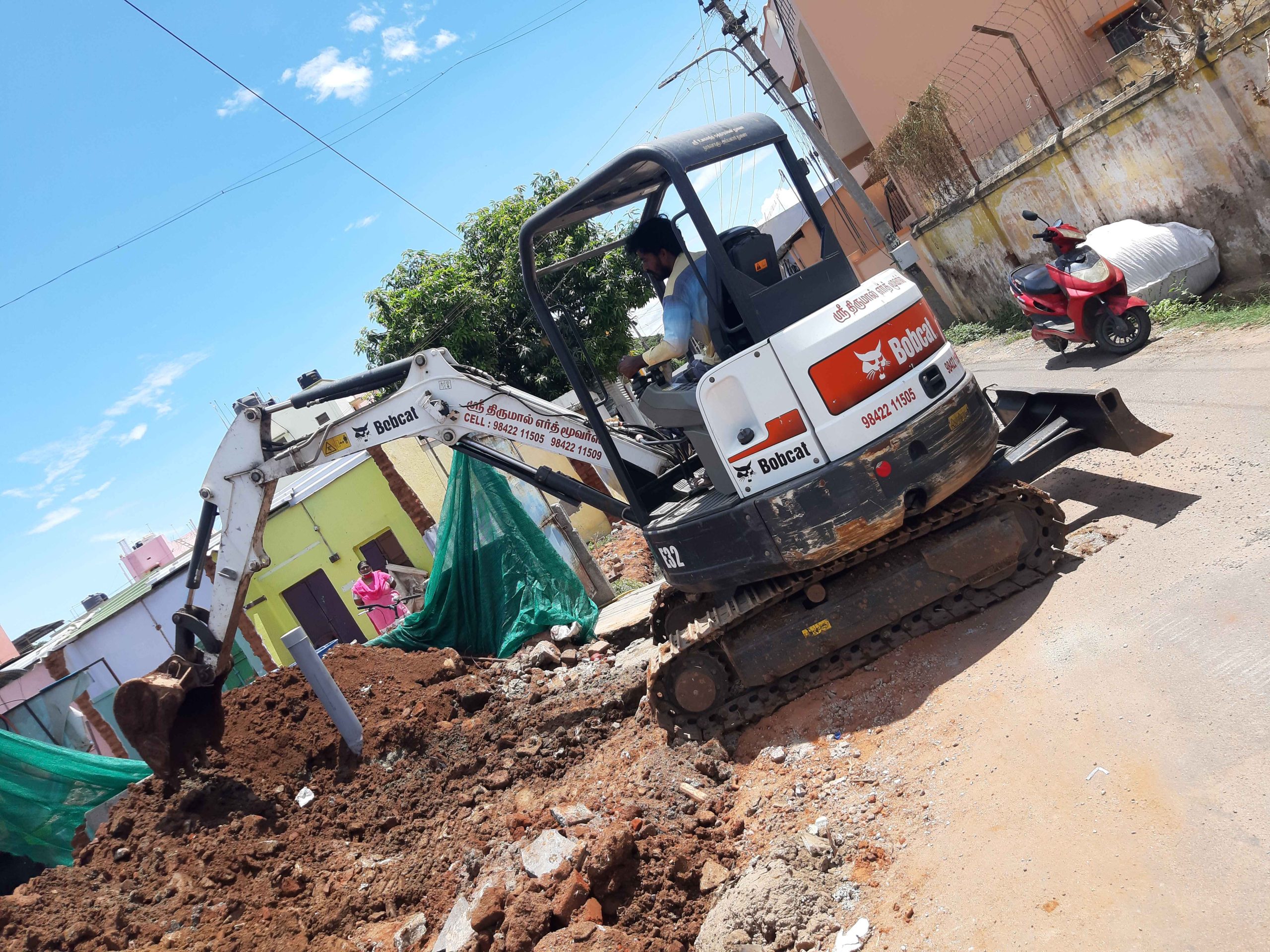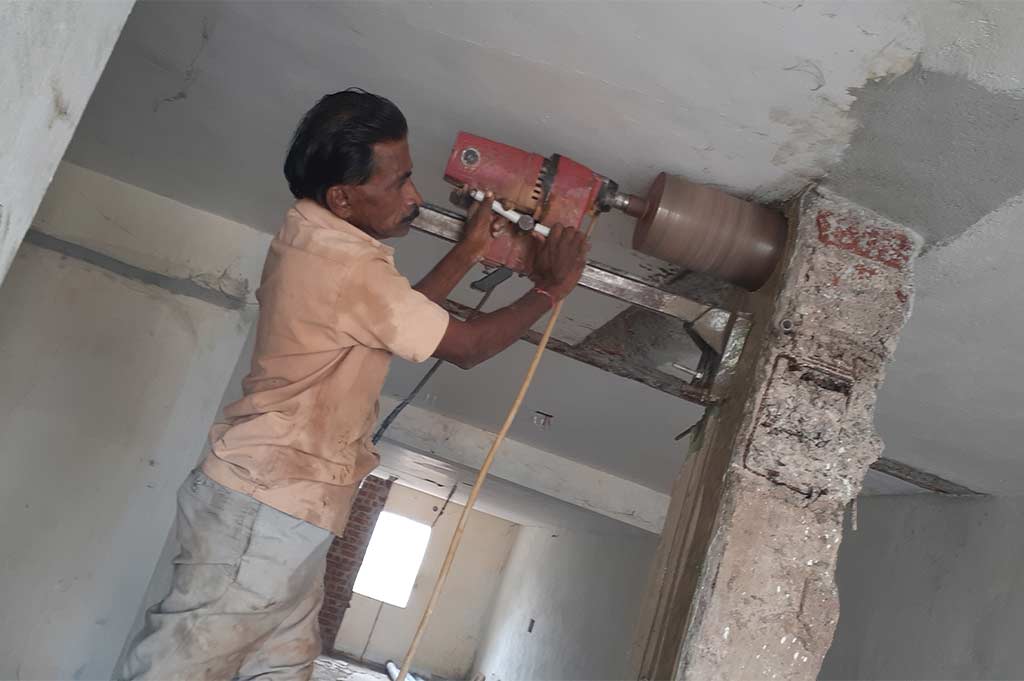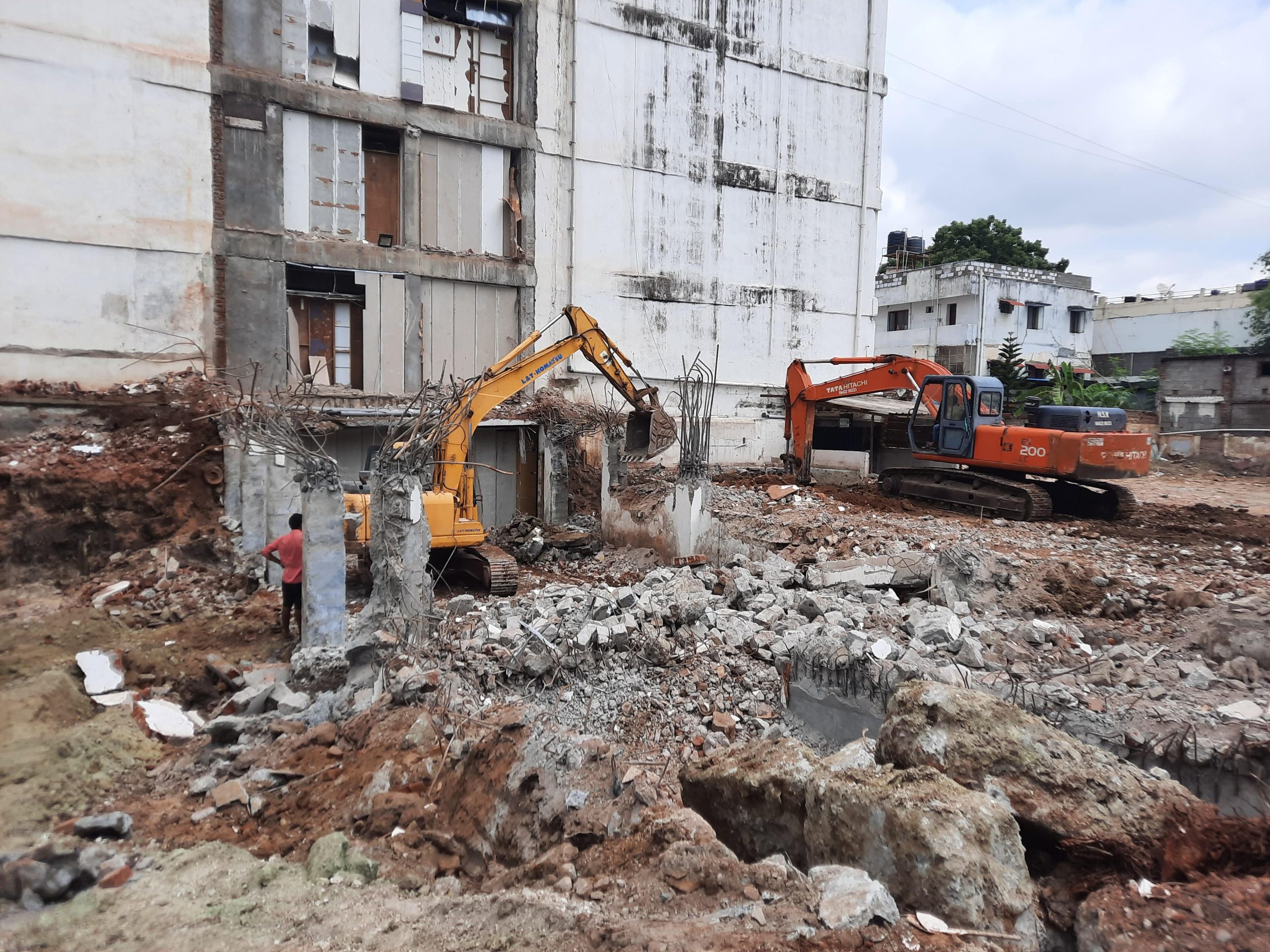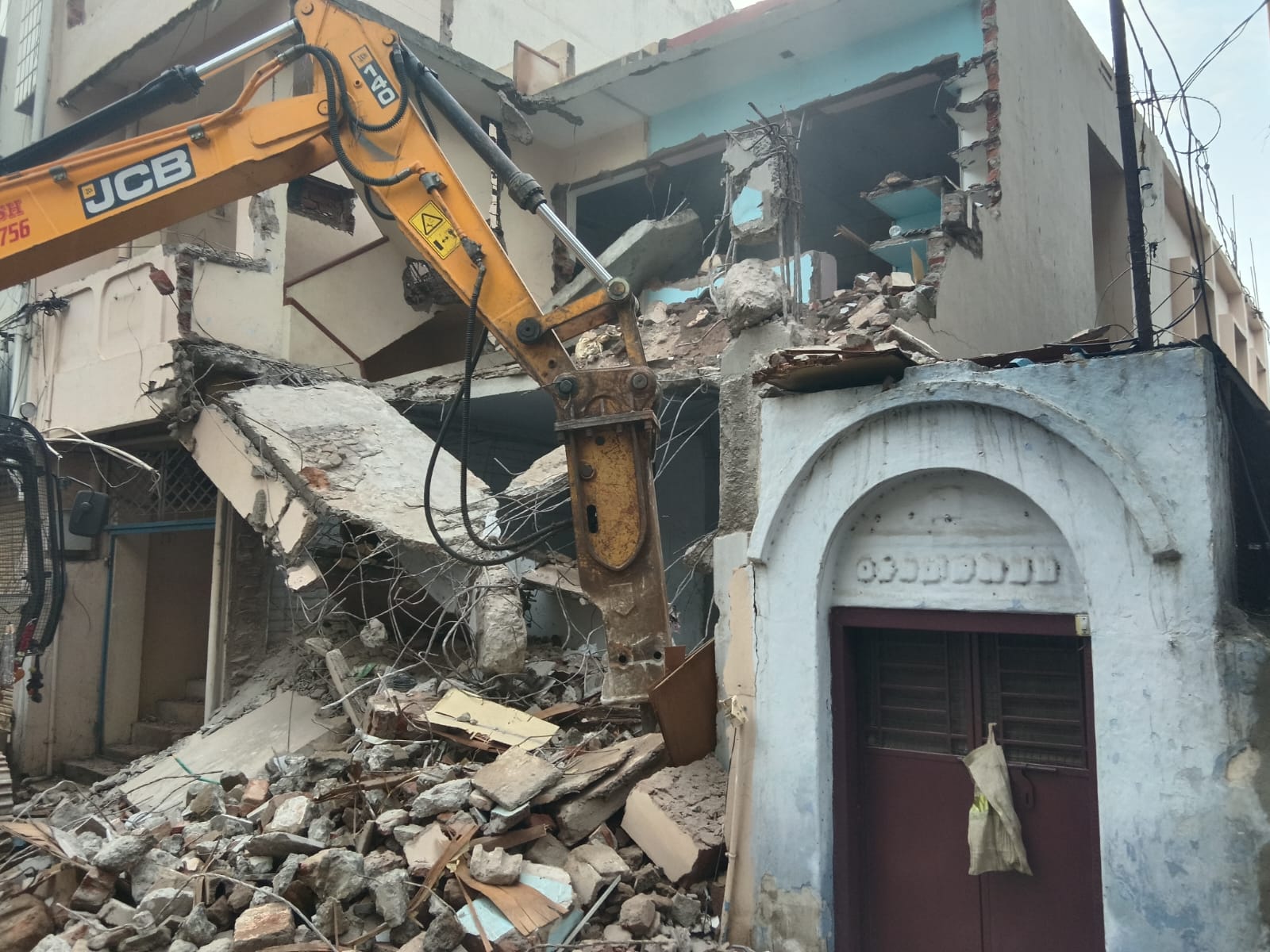

As a leading building demolition company, Sri Kavi Building Demolisher understands the importance of considering the environmental impact of our work. Demolishing a building is not just about tearing down walls and structures—it also involves careful consideration of how our actions will affect the environment around us. In this blog post, we will discuss the various factors that need to be taken into account when demolishing a building, as well as what steps can be taken to minimize the environmental impact of the demolition process.
What is the Environmental Impact of Building Demolition?
Building demolition can have a significant impact on the environment, both in terms of the immediate surroundings and the wider ecosystem. Some of the key environmental issues that need to be considered when demolishing a building include:
1. Air Pollution: Building demolition can release harmful pollutants into the air, such as dust, asbestos, and other toxic materials. These pollutants can have a negative impact on air quality and can pose a health risk to people living or working nearby.
2. Water Pollution: Demolition activities can also lead to water pollution, particularly if hazardous materials are not properly contained and disposed of. Contaminants such as lead, mercury, and asbestos can leach into the soil and water supply, causing harm to plants, animals, and humans.
3. Habitat Destruction: Demolishing a building can disrupt local habitats and ecosystems, particularly if the site is home to native plants and animals. Clearing vegetation and disturbing soil can have a lasting impact on biodiversity and can reduce the availability of food and shelter for wildlife.
4. Waste Generation: Building demolition generates a significant amount of waste, including concrete, metal, wood, and other materials. If this waste is not properly managed and disposed of, it can end up in landfills, where it can take up valuable space and contribute to environmental degradation.
5. Greenhouse Gas Emissions: Demolition activities can also contribute to greenhouse gas emissions, particularly if heavy machinery and equipment are used. These emissions can contribute to climate change and can have a long-term impact on the environment.
What Factors Need to be Considered When Demolishing a Building?
When planning a building demolition project, it is important to consider the following factors to minimize the environmental impact of the process:
1. Hazardous Materials: Before beginning demolition work, it is important to identify and properly handle any hazardous materials present in the building, such as asbestos, lead-based paint, and mercury. These materials need to be removed and disposed of safely to prevent contamination of the surrounding environment.
2. Waste Management: Proper waste management is essential to minimize the environmental impact of building demolition. Materials such as concrete, metal, and wood can often be recycled or repurposed, reducing the amount of waste that ends up in landfills. It is important to work with a reputable waste management company to ensure that materials are disposed of responsibly.
3. Dust Control: Dust can be a major issue during demolition activities, particularly if the building contains materials such as asbestos or lead. Dust can spread over a wide area and can pose a health risk to workers and nearby residents. It is important to implement dust control measures, such as using water sprays or barriers, to minimize the spread of dust.
4. Noise Pollution: Demolition activities can be noisy, particularly if heavy machinery is used. Excessive noise can disturb local residents and wildlife, and can have a negative impact on the environment. It is important to implement noise control measures, such as using sound barriers or scheduling work during off-peak hours, to minimize noise pollution.
5. Erosion Control: Demolition activities can also lead to soil erosion, particularly if vegetation is removed and soil is disturbed. Erosion can lead to sediment runoff, which can pollute waterways and harm aquatic life. It is important to implement erosion control measures, such as using silt fences or planting cover crops, to prevent soil erosion.
How Can the Environmental Impact of Building Demolition be Minimized?
There are several steps that can be taken to minimize the environmental impact of building demolition:
1. Conduct a thorough environmental assessment before beginning demolition work to identify potential environmental risks and develop a plan to mitigate them.
2. Work with a reputable waste management company to ensure that materials are disposed of responsibly and that recyclable materials are recycled.
3. Implement dust control measures, such as using water sprays or barriers, to minimize the spread of dust during demolition activities.
4. Use noise control measures, such as sound barriers or scheduling work during off-peak hours, to minimize noise pollution.
5. Implement erosion control measures, such as silt fences or planting cover crops, to prevent soil erosion during demolition activities.
What Steps Does Sri Kavi Building Demolisher Take to Minimize the Environmental Impact of Building Demolition?
At Sri Kavi Building Demolisher, we take the environmental impact of our work very seriously. We understand the importance of minimizing our impact on the environment and take several steps to ensure that our demolition activities are carried out responsibly:
1. Environmental Assessment: Before beginning any demolition project, we conduct a thorough environmental assessment to identify potential environmental risks and develop a plan to mitigate them. This includes identifying and properly handling any hazardous materials present in the building.
2. Waste Management: We work with reputable waste management companies to ensure that materials are disposed of responsibly and that recyclable materials are recycled. We strive to minimize the amount of waste that ends up in landfills.
3. Dust Control: We implement dust control measures, such as using water sprays or barriers, to minimize the spread of dust during demolition activities. This helps to protect the health of our workers and nearby residents.
4. Noise Control: We use noise control measures, such as sound barriers or scheduling work during off-peak hours, to minimize noise pollution. This helps to minimize disturbance to local residents and wildlife.
5. Erosion Control: We implement erosion control measures, such as silt fences or planting cover crops, to prevent soil erosion during demolition activities. This helps to protect soil quality and prevent sediment runoff.
FAQ:
1. Is building demolition bad for the environment?
Building demolition can have a negative impact on the environment if not carried out responsibly. Demolition activities can release harmful pollutants into the air and water, disrupt habitats and ecosystems, generate waste, and contribute to greenhouse gas emissions. However, by taking steps to minimize these impacts, such as properly handling hazardous materials, managing waste responsibly, and implementing dust and noise control measures, the environmental impact of building demolition can be minimized.
2. What are some ways to minimize the environmental impact of building demolition?
There are several steps that can be taken to minimize the environmental impact of building demolition, including conducting a thorough environmental assessment, working with reputable waste management companies, implementing dust and noise control measures, and implementing erosion control measures. By taking these steps, the environmental impact of building demolition can be minimized and the surrounding environment can be protected.
3. How can I ensure that a building demolition company is environmentally responsible?
When choosing a building demolition company, it is important to ask about their environmental practices and policies. Look for a company that conducts thorough environmental assessments, works with reputable waste management companies, implements dust and noise control measures, and takes steps to minimize soil erosion. By choosing an environmentally responsible demolition company, you can ensure that the environmental impact of the demolition process is minimized.